Menu
Choosing between various styles can be quiet overwhelming if there are so many beautiful options to choose from. Let alone for your home in which you wake up every day, where you experience joyful moments, where you invite guests over, and where you feel comfortable to rest and energize for years to come.
But why would we choose? If you are like me and have so many ‘favorite’ styles, then this blog might be very interesting for you. Today we’ll talk about transitional interior design, which basically combines the best of both worlds with your favorite styles. Making it possible to create a home that is elegant, comfortable and timeless.
With transitional interior design there’s no longer need to change up your interior every other month just because you feel as if something is missing or want to try out a new style. With this style every style you want to try out can be seamlessly blend into your home.
What is transitional interior design?
Transitional design is all about balancing classic and contemporary elements to create a cohesive and harmonious look. It focuses on the use of clean lines and simple shapes, which can be found back in the furniture and minimal ornamentation. This creates a sense of simplicity as well as elegance and balances different styles in one space, making it feel more harmonious and cohesive.
Neutral Colours
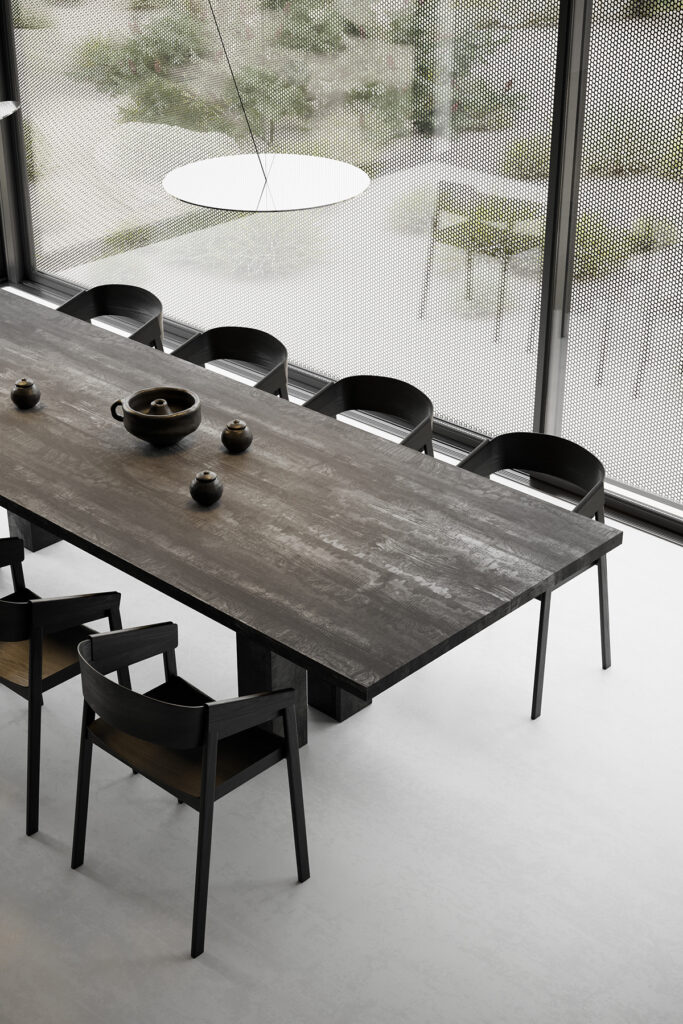
One of the key elements of this style is the use of neutral colors. A neutral color palette allows you to mix and match different styles and patterns without overwhelming the space. Imagine walking into a room with a traditional wooden dining table, paired with sleek and modern chairs. The neutral colors make sure that these different styles melt together seamlessly and create a beautiful space.
Natural Materials
Another important aspect of transitional interior design is the use of natural materials. This style incorporates natural materials such as wood, stone, and glass to add warmth and texture to the space. These materials also help to create a connection to nature, making the space feel more comfortable and inviting.
Lighting
Another way to connect your interior to nature is through the use of lighting. Within transitional design different types of lighting is incorporated to create your desired moods and ambiances in your home. Such as chandeliers, pendant lights, recessed lighting, and table lamps. The key here is to keep it simple and functional, so the lighting doesn’t detract from the overall transitional look.
Types of transitional interior design
Depending on your specific elements and influences used in designs, you can use one of the following types of transitional design as a red line while designing.
- Traditional Transitional style incorporates traditional elements such as ornate moldings and elegant furnishings, with a more modern color palette and clean lines.
- Modern Transitional style combines modern elements such as sleek, minimalist furniture with traditional elements such as ornate moldings and classic artwork.
- Classic Transitional style is characterized by a timeless and elegant look, incorporating traditional elements such as classic furnishings and ornate moldings, with a neutral color palette.
- Rustic Transitional style combines rustic elements such as reclaimed wood and natural textures with more contemporary elements such as clean lines and neutral colors. An example can be found in our ‘inspiration in a frame’ board, at the top of this blog!
- Coastal Transitional style is characterized by a relaxed and comfortable look, combining coastal elements such as natural materials and light colors with clean lines and simple shapes.
- Industrial Transitional style incorporates industrial elements such as exposed brick, concrete, and metal with more traditional elements such as warm woods and plush fabrics.
- Art deco Transitional style combines the elements of art deco design with a more modern and minimalistic approach, often featuring geometric shapes, bold colors, and luxurious textures.
You can adapt and blend these different styles so that it suits your own preferences and personal style. We are excited to see how you decide to use these styles in your home, so share your creation with us through our contact form and maybe you can find your home the next week in our ‘home tour’ selection!
Tips
Before we let you designing your dream home with the use of transitional design, we selected the following important tips to get started:
- Use a neutral color palette: A neutral color palette is the foundation of a transitional interior design style. Use colors such as white, beige, gray, and taupe to create a cohesive and harmonious look.
- Create a focal point: Use a statement piece of furniture or artwork as a focal point in the room to add interesting twists and accents to your spaces.
- Mix and match different styles and patterns: Don’t be afraid to mix and match traditional and modern elements to create a unique and interesting space.
- Incorporate natural materials: Use natural materials such as wood, stone, and glass to add warmth and texture to the space. This also helps to create a connection to nature, making the space feel more comfortable and inviting.
- Use clean lines and simple shapes: Incorporate furniture with clean lines and minimal ornamentation to create a sense of simplicity and elegance. This approach helps to create a sense of balance in the space, making it feel more harmonious and cohesive.
- Mix old and new: Mix vintage and antique pieces with contemporary elements to create a space with character and personality.
- Layer the lighting: use different types of lighting, such as chandeliers, pendant lights, recessed lighting, and table lamps, to create different moods in the space.
- Play with textures: Use various textures such as velvet, linen, or wool to add depth and interest to the space.
Conclusion
Transitional interior design is the perfect way to blend traditional and modern styles in your home. By using neutral colors, natural materials, clean lines, and simple shapes, you can create a beautiful and functional space that reflects your personal style and taste. Let us see how you embraced this designing style into your home through our contact format and maybe you’ll see your home back the next week in our ‘home tour’ selection.
You might also like
Disclaimer
Many or all the products featured on Homespirations are from our partners who compensate us. This may influence which products are written about and where/how the product appears on a page or in a blog. However, this does not influence our evaluation of the products.